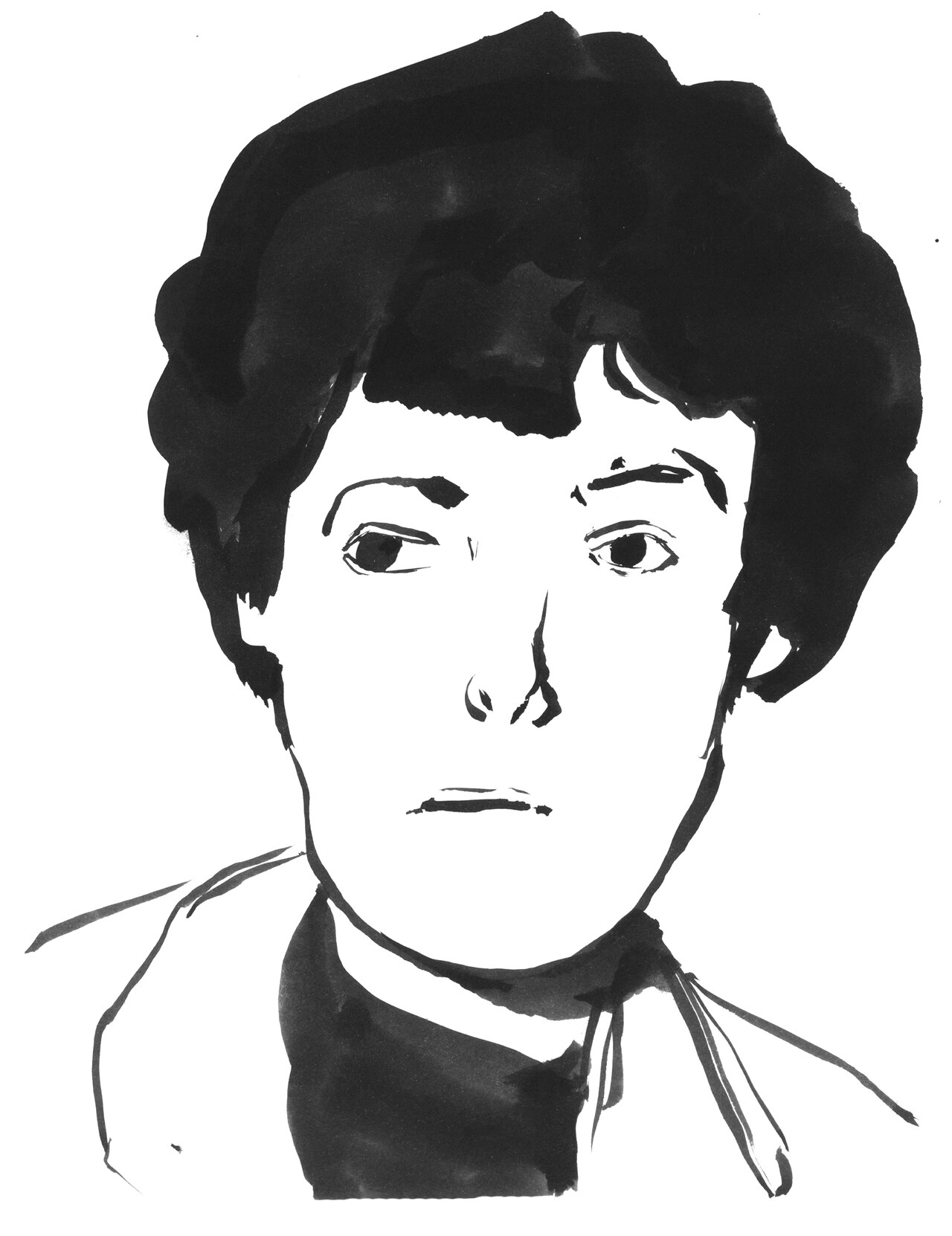
Valerie Solanas
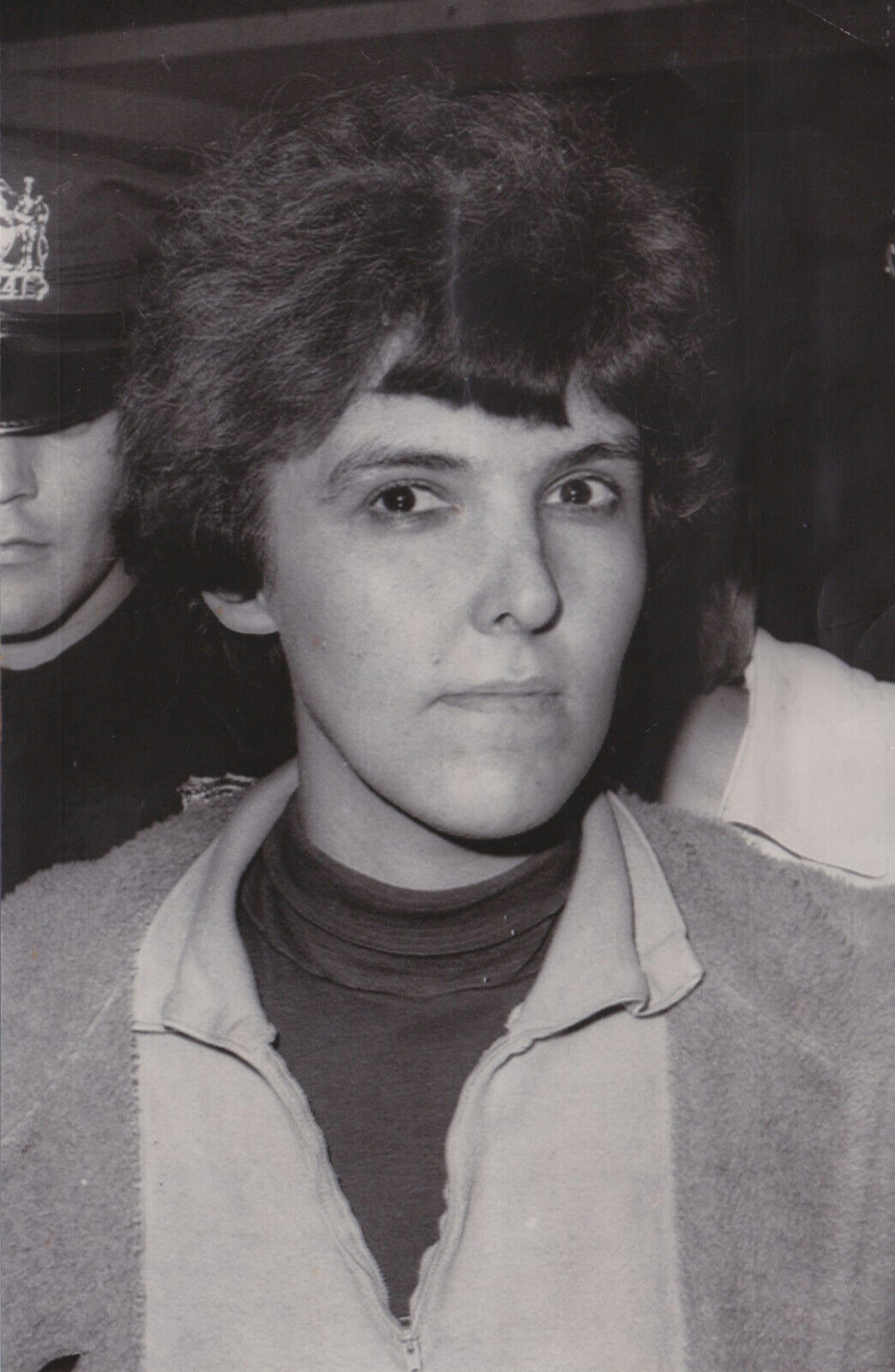
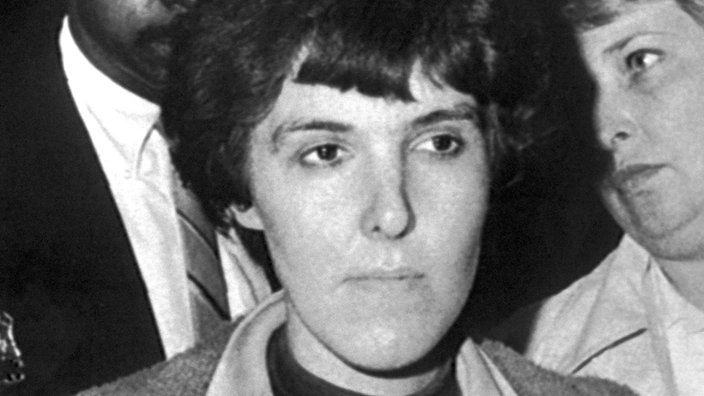
Radical feminist who shot Andy Warhol.

Associated Press · Public domain
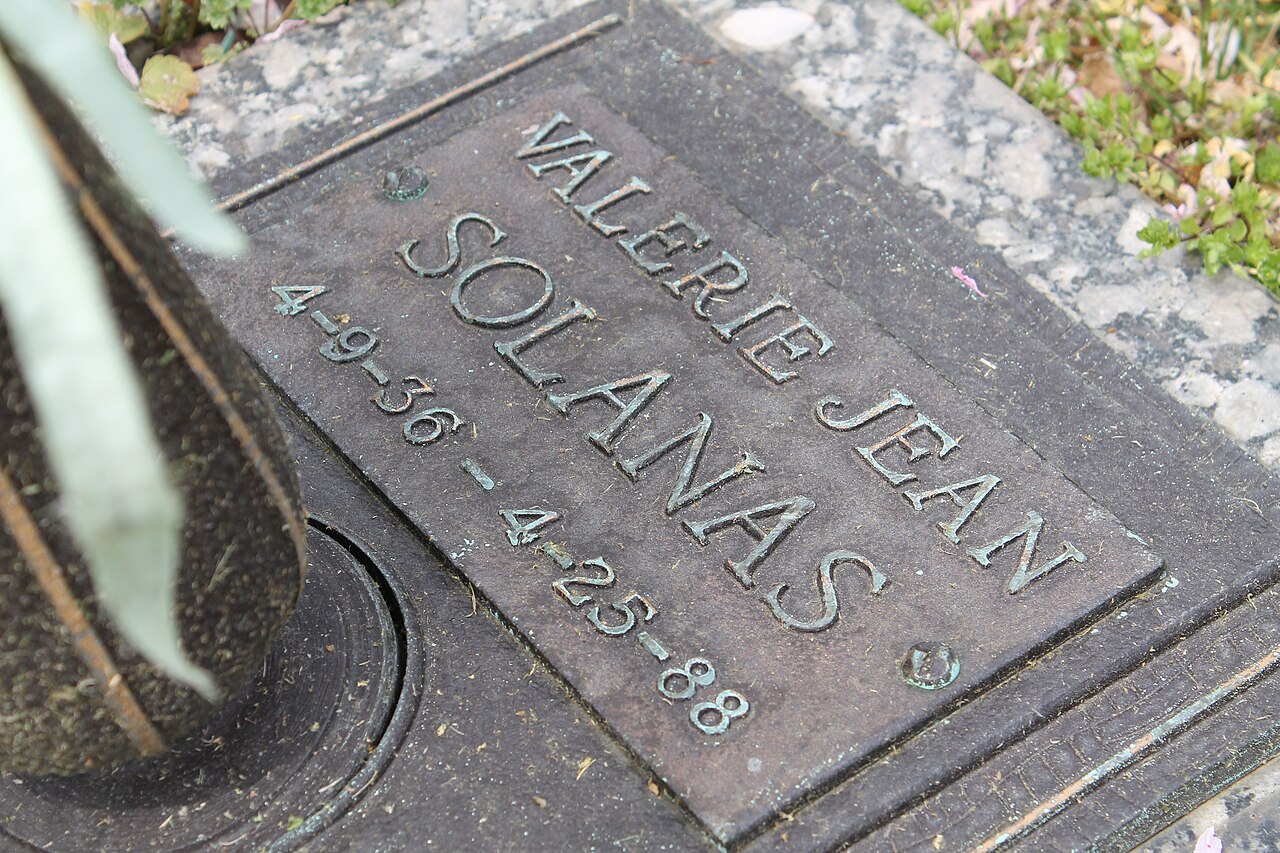
Valerie Jean Solanas (April 9, 1936 – April 25, 1988) was an American radical feminist known for her attempted assassination of artist Andy Warhol in 1968. She appeared in Warhol's film I, a Man (1967) and self-published the SCUM Manifesto, a possibly satirical pamphlet calling for the extinction of men. She believed Warhol was conspiring with her publisher, Maurice Girodias, to prevent her work from being published. On June 3, 1968, Solanas shot Warhol and art critic Mario Amaya at the Factory, Warhol's studio in Manhattan. She was charged with attempted murder, assault, and illegal possession of a firearm, and subsequently diagnosed with paranoid schizophrenia and sentenced to three years in prison.
- born
- April 9, 1936, Ventnor City, New Jersey
- died
- April 25, 1988, pneumonia
- nationality
- American
- known_for
- Attempted assassination of Andy Warhol; author of the SCUM Manifesto
Verified Timeline
Lore & Background
Solanas was born on April 9, 1936, in Ventnor City, New Jersey, to Louis Solanas and Dorothy Marie Biondo. Her father was a bartender and her mother a dental assistant. She alleged that her father regularly sexually abused her. Her parents divorced when she was young, and her mother remarried shortly afterwards. Solanas disliked her stepfather and began rebelling against her mother, becoming a truant. Because of her rebellious behavior, Solanas's mother sent her to be raised by her grandparents in 1949. Solanas reported that her grandfather was a violent alcoholic who often beat her. At fifteen, she left her grandparents and became homeless. In 1953, Solanas gave birth to a son fathered by a married sailor. The child, named David, was taken away, and she never saw him again. After high school, Solanas earned a degree in psychology from the University of Maryland, College Park, where she was in the Psi Chi Honor Society. She subsequently attended the University of Minnesota's Graduate School of Psychology, where she worked in the animal research laboratory, before dropping out and moving to attend the University of California, Berkeley for a few courses. It was during this time that she began writing the SCUM Manifesto. In the mid-1960s, Solanas moved to New York City and supported herself through begging and prostitution. In 1965, she wrote two works: an autobiographical short story, 'A Young Girl's Primer on How to Attain the Leisure Class', and a play, Up Your Ass, about a young prostitute. In 1967, Solanas called artist Andy Warhol at his Manhattan studio, the Factory, and asked him to produce Up Your Ass. Warhol thought the title was 'wonderful' and he invited her to come over with it. He accepted the script for review, told Solanas it was 'well typed', and promised to read it. However, when he read the script, he found it so vulgar that he suspected Solanas might be an undercover police officer planting obscene material as part of an entrapment operation. Solanas later contacted Warhol about the script; when she was told that he had lost it, she started demanding money from him. He offered to pay her $25 to appear in his film I, a Man (1967), in order to pay her rent at the Hotel Chelsea. In her role in I, a Man, Solanas leaves the film's title character, explaining, 'I gotta go beat my meat' as she exits the scene. While living at the Hotel Chelsea, Solanas introduced herself to Maurice Girodias, a fellow resident of the hotel. In August 1967, Girodias and Solanas signed an informal contract stating that she would give Girodias her 'next writing, and other writings'. In exchange, Girodias paid her $500. Solanas took this to mean that Girodias would own her work. She told Paul Morrissey that 'everything I write will be his. He's done this to me .... He's screwed me!' Solanas intended to write a novel based on the SCUM Manifesto and believed that a conspiracy between Warhol and Girodias to steal her work was behind Warhol's failure to return the Up Your Ass script. On June 3, 1968, Solanas arrived at the Hotel Chelsea and asked for Girodias, who was unavailable. She stayed there for three hours before heading to the Grove Press, where she asked for Barney Rosset, who was also not available. Solanas then visited producer Margo Feiden (then Margo Eden) in Brooklyn to convince her to produce Up Your Ass. Feiden repeatedly refused to produce the play, so Solanas pulled out her gun and she promised to shoot Andy Warhol to make her and the play famous. As she left Feiden's residence, she handed her a partial copy of an earlier draft of the play and other personal papers. Feiden reported the incident to her local police precinct, but they responded with reluctance, stating that arresting someone because they believed she was going to kill Warhol was impossible. Solanas went to the Factory and waited outside for Andy to get money. Morrissey arrived and tried to get rid of her by telling her Warhol wouldn't be in that day. She left but later entered the building with Warhol and Factory assistant Jed Johnson. While Warhol was on the phone, Solanas fired at him three times. Her first two shots missed, but the third went through his spleen, stomach, liver, esophagus, and lungs. She then also shot art critic Mario Amaya. Warhol was taken to Columbus–Mother Cabrini Hospital in critical condition, where he underwent a successful five-hour operation. Around 8 p.m. that same day, Solanas walked up to a policeman at the intersection of Seventh Avenue and 47th Street near Times Square and turned herself in, telling the officer that Warhol 'had too much control in my life'. She was booked and fingerprinted at the 13th Precinct; and charged with felonious assault and possession of a deadly weapon. The next morning, the New York Daily News ran the front-page headline: 'Actress Shoots Andy Warhol'. Solanas demanded a retraction of the statement that she was an actress. The Daily News changed the headline in its later edition and added a quote from Solanas stating, 'I'm a writer, not an actress.' At her arraignment in Manhattan Criminal Court, Solanas denied shooting Warhol because he would not produce her play but said 'it was for the opposite reason', that 'he has a legal claim on my works'. She declared that she wanted to represent herself and she insisted that she 'was right in what I did! I have nothing to regret!'. The judge struck Solanas's comments from the court record and had her admitted to Bellevue Hospital for psychiatric observation. After a cursory evaluation, Solanas was declared mentally unstable and transferred to the prison ward of Elmhurst Hospital. She appeared before the New York Supreme Court on June 13, 1968. Florynce Kennedy represented her and asked for a writ of habeas corpus, arguing that Solanas was being held inappropriately at Elmhurst. The judge denied the motion and Solanas returned to Elmhurst. On June 28, Solanas was indicted on charges of attempted murder, assault, and illegal possession of a firearm. She was declared mentally incompetent in August and sentenced to three years in prison. After her release, she was arrested again for aggravated assault in 1971 after threatening editors Barney Rosset and Fred Jordan of Grove Press. She was then institutionalized several times. Solanas continued to promote the SCUM Manifesto and was an editor for the biweekly feminist magazine Majority Report before drifting into obscurity. She became destitute and died of pneumonia in 1988.
Reader's Guide
Valerie Solanas remains a controversial figure in feminist history. Her SCUM Manifesto, which some authors have argued is a parody or satire of patriarchy and have compared to Jonathan Swift's 1729 satirical pamphlet A Modest Proposal, has been translated into over a dozen languages and excerpted in several feminist anthologies. Solanas described herself as 'a social propagandist' and she denied that the work was 'a put on' and insisted that her intent was 'dead serious'. The shooting of Andy Warhol brought her notoriety and overshadowed her literary work. Her life illustrates the intersection of mental illness, radical politics, and the struggles of a marginalized woman in mid-20th-century America. Solanas's legacy is debated: some view her as a misunderstood provocateur, others as a violent extremist. Her writings continue to be studied for their critique of patriarchy and their place in second-wave feminism.
Did You Know?
- Solanas appeared in Warhol's film I, a Man (1967) and her only line was 'I gotta go beat my meat' as she exited the scene.
- She turned herself in to a policeman at the intersection of Seventh Avenue and 47th Street near Times Square around 8 p.m. on the day of the shooting.
- The New York Daily News initially ran the front-page headline 'Actress Shoots Andy Warhol', but Solanas demanded a retraction, saying 'I'm a writer, not an actress.'
- Solanas gave birth to a son named David in 1953, fathered by a married sailor; the child was taken away and she never saw him again.
- She was an editor for the biweekly feminist magazine Majority Report before drifting into obscurity.
A Childhood Marked by Turmoil and Defiance
Valerie Jean Solanas was born on April 9, 1936, in Ventnor City, New Jersey, to a bartender of Spanish immigrant heritage and a dental assistant of Italian descent. Her early years were marked by instability: her parents divorced when she was young, her mother remarried quickly, and the stepfather provoked a fierce rebellion that saw her become a truant and physically confront a classmate and a nun. In 1949 her mother sent her to live with grandparents, but Solanas reported that her grandfather was a violent alcoholic who beat her. At fifteen she left and became homeless. In 1953 she gave birth to a son, David, fathered by a married sailor; the child was taken from her, and she never saw him again. She went on to earn a psychology degree from the University of Maryland, College Park, where she made the Psi Chi Honor Society and hosted a call-in radio show advising listeners on combating men. She was openly lesbian in the conservative 1950s. She later attended the University of Minnesota's graduate psychology program, working in an animal research lab before dropping out, and took a few courses at UC Berkeley, where she began writing the SCUM Manifesto.
The SCUM Manifesto and Early Writing
Solanas's most famous text, the SCUM Manifesto, was self-published in 1967. The pamphlet places the burden of humanity's ills squarely on men and calls on women to overthrow the government, abolish the money system, institute total automation, and eliminate the male sex. The work's tone has generated debate: some scholars read it as a satire of patriarchal logic, drawing parallels to Jonathan Swift's 1729 pamphlet A Modest Proposal, while Solanas herself rejected that framing. She described her role as a social propagandist and insisted the document was dead serious rather than a put-on. The Manifesto has since been translated into more than a dozen languages and appears in numerous feminist anthologies. Beyond the Manifesto, Solanas produced other writing in the mid-1960s. Her autobiographical short story, A Young Girl's Primer on How to Attain the Leisure Class, appeared in Cavalier magazine in July 1966. She also wrote a play titled Up Your Ass, centered on a young prostitute who, according to critic James Martin Harding, is a man-hating hustler and panhandler that ends up killing a man. Harding called the work more provocation than serious drama, describing it as adolescent and contrived. The play remained unpublished until 2014.
The Shooting and Its Aftermath
On June 3, 1968, Solanas walked into Andy Warhol's studio, the Factory, in Manhattan and fired a handgun at him and at art critic Mario Amaya. The incident stemmed from a growing conviction in Solanas's mind that Warhol and her publisher, Maurice Girodias, were conspiring to suppress and steal her work. She had signed an informal agreement with Girodias in August 1967, in which she would hand over her next writings in exchange for a $500 payment, and she interpreted this as him claiming ownership of everything she produced. When Warhol failed to return the script for her play Up Your Ass, she saw confirmation of the plot. After the shooting, Solanas was charged with attempted murder, assault, and illegal possession of a firearm. She was subsequently diagnosed with paranoid schizophrenia and received a three-year prison sentence. Her troubles did not end with release. In 1971 she was arrested again for aggravated assault after threatening Barney Rosset and Fred Jordan, editors at Grove Press. Over the following years she was institutionalized on multiple occasions, each episode deepening her isolation from the public eye.
Later Life, Obscurity, and Enduring Legacy
Following her release from prison and through the 1970s, Solanas continued to champion the SCUM Manifesto, which she regarded as her life's central work. She took on a role as an editor for Majority Report, a biweekly feminist magazine, keeping her voice active in the radical women's movement of the era. Yet the momentum that had carried her through the late 1960s gradually faded. The repeated arrests, the institutionalizations, and the loss of her son in 1953 all compounded into a slow retreat from public life. By the 1980s Solanas had drifted into near-total obscurity, living in destitution and largely cut off from the feminist and art communities that had once surrounded her. She died of pneumonia on April 25, 1988, at the age of fifty-two. Even in death, her cultural footprint persisted. The SCUM Manifesto has been translated into more than a dozen languages and is excerpted in numerous feminist anthologies, ensuring that her provocative, polarizing voice continues to provoke debate about gender, power, and the boundaries of satire versus earnest political rhetoric.
Gallery

Frequently Asked Questions
Who is Valerie Solanas?
Valerie Solanas was an American radical feminist and writer born in 1936 in Ventnor City, New Jersey. She became widely known for her 1968 attempt to kill pop artist Andy Warhol and for authoring the provocative SCUM Manifesto.
What did Valerie Solanas do to Andy Warhol?
In 1968, Solanas shot Warhol in his studio, wounding him in the abdomen. The attack stemmed from a dispute over a painting, and she was subsequently tried for attempted murder.
What is the SCUM Manifesto?
The SCUM Manifesto is a self-published pamphlet written by Solanas that satirically calls for the total elimination of men from society. It became a landmark text in radical feminist discourse, though Solanas herself described it partly as a work of fiction.
How did Valerie Solanas's life end?
Solanas died on April 25, 1988, from pneumonia. She had been living in New York City and was largely out of the public eye in her final years.
Why is Valerie Solanas considered significant in outlaw and criminal history?
She is remembered as a figure who blended radical political ideology with a violent act against one of the most famous artists of her era. Her story sits at the intersection of feminist activism, criminal law, and counterculture, making her a recurring subject in discussions of 1960s and 70s American outlaws.
More in Criminals And Outlaws 25-37
Elsewhere in the Criminals And Outlaws universe
Spotted an error? Know more?
This is a living reference — every entry is fact-audited, and reader corrections feed straight into our audit queue. Suggest an edit · See this site's audit record