
Ted Bundy
American serial killer who murdered dozens across multiple states.
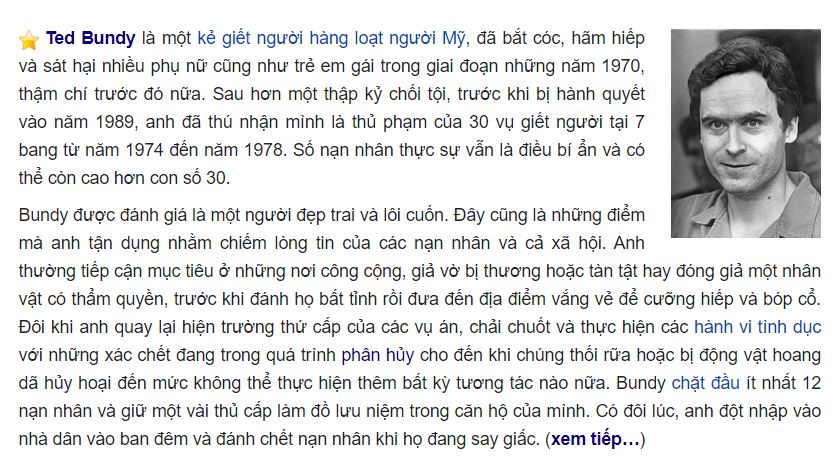
Theodore Robert Bundy, born Theodore Robert Cowell on November 24, 1946, and executed on January 24, 1989, was an American serial killer. Between 1974 and 1978, he kidnapped, raped, and murdered numerous young women and girls. His usual method involved tricking victims into thinking he needed help or was an authority figure, then luring them to his car, where he would knock them unconscious, handcuff them, and take them to a secluded spot for sexual assault and murder. His first confirmed killing occurred in Washington in February 1974, with later crimes spanning Oregon, Colorado, Utah, Idaho, and Florida. He often returned to the corpses, grooming and engaging in sexual acts with them until decay or animal scavenging made it impossible. Bundy was also a frequent burglar; on several occasions, he broke into homes at night, attacking sleeping victims with beatings, strangulation, and sexual assault.
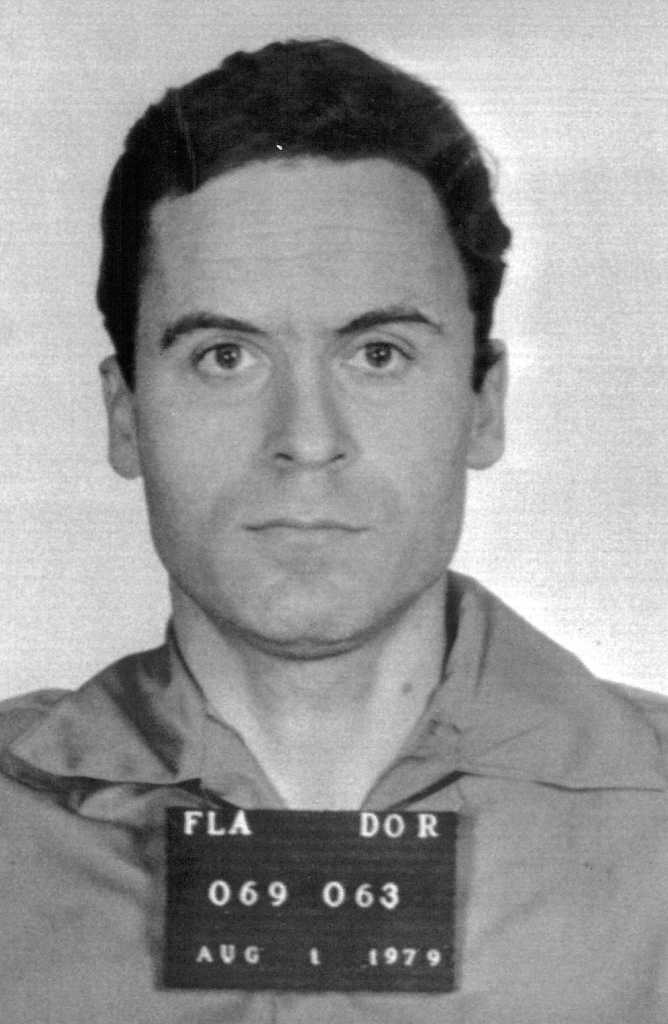
In 1975, Bundy was arrested in Utah for aggravated kidnapping and attempted criminal assault. He became a suspect in numerous unsolved homicides across multiple states. While facing murder charges in Colorado, he escaped twice, then committed additional assaults in Florida, including three murders, before being caught again in 1978. For the Florida killings, he received three death sentences across two trials and was executed by electric chair at Florida State Prison on January 24, 1989. Biographer Ann Rule described him as a sadistic sociopath who enjoyed inflicting pain and controlling victims, even after death. Bundy called himself "the most cold-hearted son of a bitch you'll ever meet," a view shared by defense attorney Polly Nelson, who wrote that he was the embodiment of heartless evil.
Bundy was born to Eleanor Louise Cowell at a home for unwed mothers in Burlington, Vermont. His biological father remains unknown; his original birth certificate named a salesman and Air Force veteran named Lloyd Marshall, though another copy listed the father as unknown. Louise said she met a war veteran named Jack Worthington, who left after she became pregnant. Her sister Audrey called him a "nice reputable person" who refused to pay child support. Census records show several men named John Worthington and Lloyd Marshall lived near Louise around the time of conception. Some family suspected Bundy was fathered by Louise's own father, Samuel Cowell, but a 2020 documentary claimed DNA testing of a blood sample ruled out incest.
For his first three years, Bundy lived in Philadelphia with his maternal grandparents, Samuel and Eleanor Cowell, who raised him as their son to hide the stigma of out-of-wedlock birth. Family and friends were told the grandparents were his parents and his mother was his older sister. Bundy eventually learned the truth; he told a girlfriend a cousin showed him his birth certificate after calling him a "bastard," but told biographers he found it himself. Prison psychologist Al Carlisle said Bundy discovered it at age 14. Ann Rule wrote that he did not learn the truth until 1969, when he located his original birth record in Vermont. He resented his mother for never telling him about his real father and for leaving him to uncover it alone.
Bundy sometimes spoke warmly of his grandfather Samuel, saying he "identified with" and "respected" him. But in 1987, he and other family members described Samuel as a tyrannical bully who beat his wife and dog, swung cats by their tails, and held racist views. He reportedly threw his daughter Julia down stairs for oversleeping, spoke to unseen presences, and flew into rages when Bundy's paternity was mentioned. Bundy described his grandmother as timid and obedient, undergoing electroconvulsive therapy for depression and suffering from agoraphobia late in life. These accounts have been questioned; some locals remembered Samuel as a "fine man" and were puzzled by the violent reports. One cousin said the characterization was convenient for explaining Bundy's behavior, noting that Samuel's daughters loved him and had fond memories. Louise's sister Audrey stated their mother could not leave home due to a stroke from being overweight, not mental illness. In 1950, Louise changed her surname from Cowell to Nelson.
- born
- November 24, 1946
- died
- January 24, 1989
- field
- Serial killer
- nationality
- American
- known_for
- Kidnapping, raping, and murdering dozens of young women and girls; escaping cust
Lore & Background
Bundy was born Theodore Robert Cowell on November 24, 1946, to Eleanor Louise Cowell at the Elizabeth Lund Home for Unwed Mothers in Burlington, Vermont. His biological father's identity has never been confirmed; his original birth certificate apparently assigns paternity to a salesman and United States Air Force veteran named Lloyd Marshall, though a copy listed his father as unknown. Louise claimed she met a war veteran named Jack Worthington, who abandoned her after she became pregnant. For the first three years of his life, Bundy lived in the Roxborough neighborhood of Philadelphia with his maternal grandparents, Samuel Knecht Cowell and Eleanor Miriam Longstreet, who raised him as their son to avoid the social stigma of childbirth outside of wedlock. Family, friends and young Bundy were told that his grandparents were his parents and that his mother was his older sister. Bundy eventually discovered the truth; he told biographers Stephen Michaud and Hugh Aynesworth that he found the certificate himself, while prison psychologist Al Carlisle said Bundy found it at age 14. Bundy expressed a lifelong resentment toward his mother for never telling him about his real father. In some interviews, Bundy spoke warmly of his grandparents, but later, in 1987, he and other family members told attorneys that his grandfather Samuel was a tyrannical bully who beat his wife and dog, swung neighborhood cats by their tails, and expressed racist attitudes. In one instance, Samuel reportedly threw his daughter Julia down a flight of stairs for oversleeping. Bundy described his grandmother as a timid and obedient woman who periodically underwent electroconvulsive therapy for depression and suffered from agoraphobia. These descriptions have been questioned; some locals remembered Samuel as a 'fine man,' and Louise's younger sister Audrey Cowell stated that their mother could not leave her home because she suffered a stroke due to being overweight and was not mentally ill. In 1950, Louise changed her surname to Nelson and moved with her son to Tacoma, Washington. The following year she married Johnny Culpepper Bundy, a hospital cook, who formally adopted Bundy. Bundy remained distant from Johnny, later complaining to a girlfriend that Johnny 'was not his real father,' 'wasn't very bright' and 'didn't make much money.' Bundy exhibited disturbing behavior at an early age: Louise's youngest sister recalled awakening from a nap to find herself surrounded by knives from the kitchen, with three-year-old Bundy standing by the bed, smiling. Sandi Holt, a childhood neighbor in Tacoma, recalled Bundy as a 'mean-spirited kid' who 'liked to inflict pain and suffering and fear.' According to Holt, Bundy once engaged in animal cruelty by hanging a stray cat from his backyard clothesline and setting it on fire with lighter fluid. She also claimed that Bundy would take younger children from the neighborhood into the woods, force them to strip and terrorize them. Bundy reportedly built makeshift punji traps around his Tacoma neighborhood, injuring at least one girl. Bundy told psychiatrist Dorothy Otnow Lewis prior to his execution that accessing his grandfather's pornographic magazines as a child contributed to his violence. During his time at Hunt Junior High School, Bundy endured 'merciless teasing' from his classmates, who poured cold water on him as he showered in privacy in a stall. Classmates from Woodrow Wilson High School told biographer Ann Rule that Bundy was 'well known and well liked' there. His only significant athletic avocation was downhill skiing, which he pursued with stolen equipment and forged lift tickets. During high school, Bundy was arrested at least twice on suspicion of burglary and motor vehicle theft.
Reader's Guide
Ted Bundy remains one of the most notorious serial killers in American history. In 1975, Bundy was arrested and jailed in Utah for aggravated kidnapping and attempted criminal assault. He then became a suspect in a progressively longer list of unsolved homicides in several states. Facing murder charges in Colorado, Bundy engineered two dramatic escapes and committed further assaults in Florida, including three murders, before being recaptured in 1978. For the Florida homicides, he received three death sentences in two trials and was executed in the electric chair at Florida State Prison on January 24, 1989. Biographer Ann Rule characterized Bundy as 'a sadistic sociopath who took pleasure from another human's pain and the control he had over his victims, to the point of death and even after.' He once described himself as 'the most cold-hearted son of a bitch you'll ever meet,' a statement with which attorney Polly Nelson, a member of his last defense team, agreed. She wrote that 'Ted was the very definition of heartless evil.' Bundy's modus operandi typically involved convincing his target that he was in need of assistance or duping them into believing he was an authority figure, then luring them to his vehicle, bludgeoning them unconscious, restraining them with handcuffs, and driving them to a remote location to be sexually assaulted and killed. He frequently revisited the bodies of his victims, grooming and performing sex acts on the corpses until decomposition and destruction by wild animals made further interactions impossible. Along with the murders, Bundy was also a prolific burglar, and on a few occasions he broke into homes at night and bludgeoned, maimed, strangled and sexually assaulted his victims in their sleep. The uncertainty surrounding his early life—including disputes about his grandparents' character and the identity of his biological father—has fueled ongoing debate about the origins of his violence. In the 2020 documentary film Crazy, Not Insane, psychiatrist Dorothy Otnow Lewis claimed she received a sample of Bundy's blood and that a DNA test had confirmed that he was not the product of incest.
Did You Know?
- Bundy was born Theodore Robert Cowell at the Elizabeth Lund Home for Unwed Mothers in Burlington, Vermont.
- His biological father's identity has never been confirmed; his original birth certificate apparently assigns paternity to a salesman and Air Force veteran named Lloyd Marshall.
- Bundy's first definitively-known victim was killed in February 1974 in Washington.
- He frequently revisited the bodies of his victims, grooming and performing sex acts on the corpses until decomposition and animal activity made further interactions impossible.
- Bundy was arrested at least twice during high school on suspicion of burglary and motor vehicle theft, but the details were expunged from his record at age 18.
Gallery

Frequently Asked Questions
Who is Ted Bundy?
Theodore Robert Bundy was an American serial killer who, between 1974 and 1978, kidnapped, raped, and murdered dozens of young women and girls across multiple states. He is widely recognized as one of the most notorious criminals in U.S. history due to the sheer scale of his crimes and his repeated escapes from law enforcement.
How many victims did Ted Bundy have?
Bundy was formally convicted of three murders in Florida, but he later confessed to more than 30 killings and is believed to have victimized dozens of young women and girls across several states. Investigators have never been able to confirm a precise total number of his victims.
How many times did Ted Bundy escape custody?
Bundy successfully fled from law enforcement twice: first from a Denver courthouse in 1977 and again from a Florida jail in 1978. Each escape was followed by additional attacks before he was recaptured.
How was Ted Bundy executed?
Bundy was put to death by electric chair at Florida State Prison on January 24, 1989, after serving three death sentences for the murders of three young women. His execution brought a close to one of the most widely covered criminal cases in American history.
Why is Ted Bundy so culturally significant?
Bundy's case became a lasting cultural touchstone because his outwardly charming, unremarkable appearance contrasted sharply with the extreme violence he committed. His story has spawned a vast body of documentaries, films, and true-crime literature, keeping his name in public conversation for decades.
More in Criminals And Outlaws 1-24
Spotted an error? Know more?
This is a living reference — every entry is fact-audited, and reader corrections feed straight into our audit queue. Suggest an edit · See this site's audit record