
Veerappan
Indian poacher, smuggler, terrorist and bandit active for 36 years.
Koose Munisamy Veerappan was an Indian poacher, smuggler, domestic terrorist and bandit whose criminal career spanned 36 years. He was wanted for killing approximately 184 people, about half of whom were police officers and forest officials. Veerappan began his criminal life assisting his uncle, a notorious poacher and sandalwood smuggler, before breaking away on his own. He was first arrested in 1972. After committing his first murder at age 17, he killed those who resisted his illegal activities, including informants and civilians. Over 25 years, he and his gang were responsible for poaching about 500 of the 2,000 to 3,000 elephants killed in the peninsular region, smuggling ivory worth US$2.6 million and roughly 65 tons of sandalwood worth approximately US$22 million. His most infamous mass killing was the Palar blast in April 1993, when landmines detonated under two vehicles carrying a 41-member team of police and forestry officials, killing 22. In 1992, Karnataka and Tamil Nadu formed a Special Task Force to capture him. Through intensified operations, his gang was reduced to five members. He kidnapped major politicians for ransom, including Kannada cinema actor Rajkumar in June 2000, holding him for 108 days before release, and former Karnataka minister H. Nagappa in August 2002. The battle to capture Veerappan cost the two state governments over ₹100 crore. He was born in 1952 into a Tamil family in Gopinatham, Karnataka, and married Muthulakshmi in 1990. He had two daughters.
- field
- Poaching, smuggling, banditry, terrorism
- nationality
- Indian
- known_for
- 36-year criminal career, kidnapping of Rajkumar and H. Nagappa, Palar blast, elephant poaching and sandalwood smuggling
Lore & Background
Veerappan began his criminal career assisting his uncle Sevi Gounder, a poacher and sandalwood smuggler. He later broke away and over 25 years, he and his gang killed approximately 500 elephants out of 2,000 to 3,000 in the region. After committing his first murder at age 17, he killed those who resisted his activities, including police officers, forest officials, and informants. The Palar blast on 9 April 1993 killed 22 members of a 41-member team investigating a murder he committed. The task force reduced his gang to five members. In 1993, his wife Muthulakshmi was arrested but acquitted. The reward was increased to 15 crore rupees.
Reader's Guide
Veerappan's significance lies in his long-running criminal career that challenged state authority across southern India. He exploited jurisdictional problems between Tamil Nadu and Karnataka, evading capture for decades. His kidnappings of high-profile figures like Rajkumar and Nagappa caused public outcry and forced governments to negotiate. The Palar blast, killing 22 officials, marked his single largest mass killing and intensified the manhunt. His legacy is contested: some human rights activists claimed he was murdered in custody after torture, while villagers celebrated his death with firecrackers. He remains a figure of both notoriety and, among some, folk-hero status, though the source article notes he had support from that party and from banned organizations that helped craft a Robin Hood image.
Did You Know?
- Veerappan was responsible for poaching approximately 500 of the 2,000 elephants killed in the peninsular region where he was active.
- The Palar blast on 9 April 1993 killed 22 members of a 41-member team of police and forestry officials.
Gallery

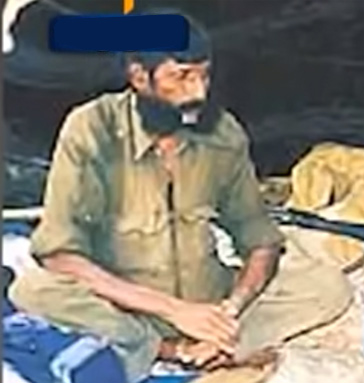
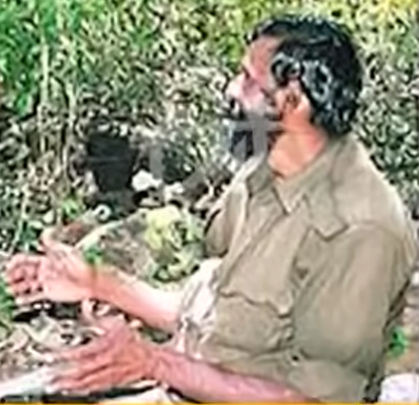



Frequently Asked Questions
What crimes was Veerappan most notorious for?
He was responsible for poaching roughly 500 elephants and smuggling sandalwood and ivory worth millions of dollars. He also kidnapped prominent figures, including actors Rajkumar and H. Nagappa, to extract ransom payments.
Why is Veerappan considered significant in Indian criminal history?
His three-decade evasion of law enforcement made him one of the most persistent and high-profile outlaws in India's history. His blend of large-scale wildlife poaching, political kidnappings, and armed resistance set him apart from typical criminals of his era.
More in Criminals And Outlaws 1-24
Spotted an error? Know more?
This is a living reference — every entry is fact-audited, and reader corrections feed straight into our audit queue. Suggest an edit · See this site's audit record